The archive
Explore the collections
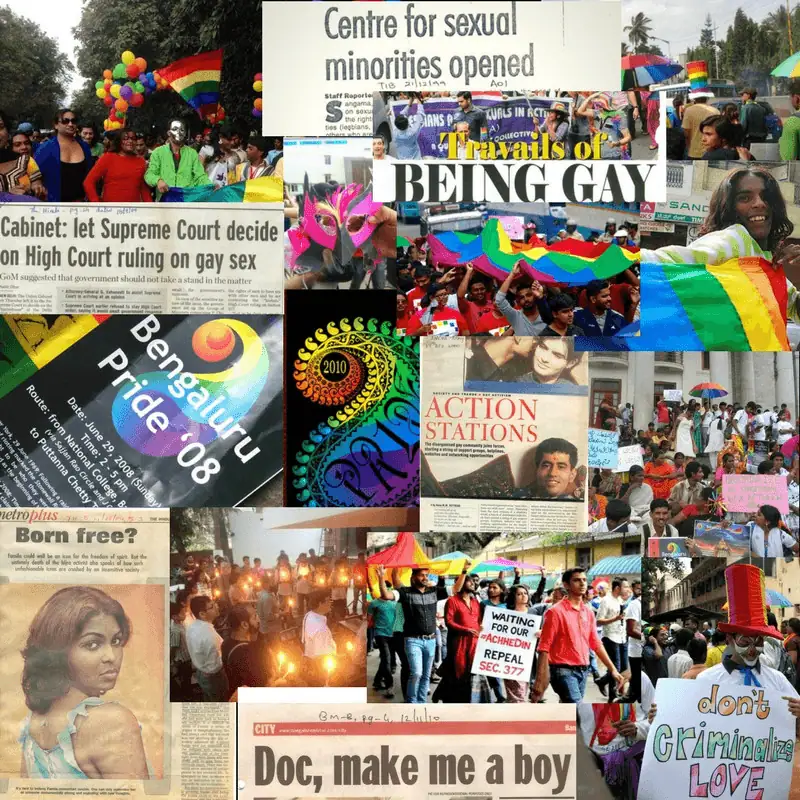
Legal documents, books, clippings, photographs, audio recordings, letters, memorabilia and moving images - gathered over two decades.

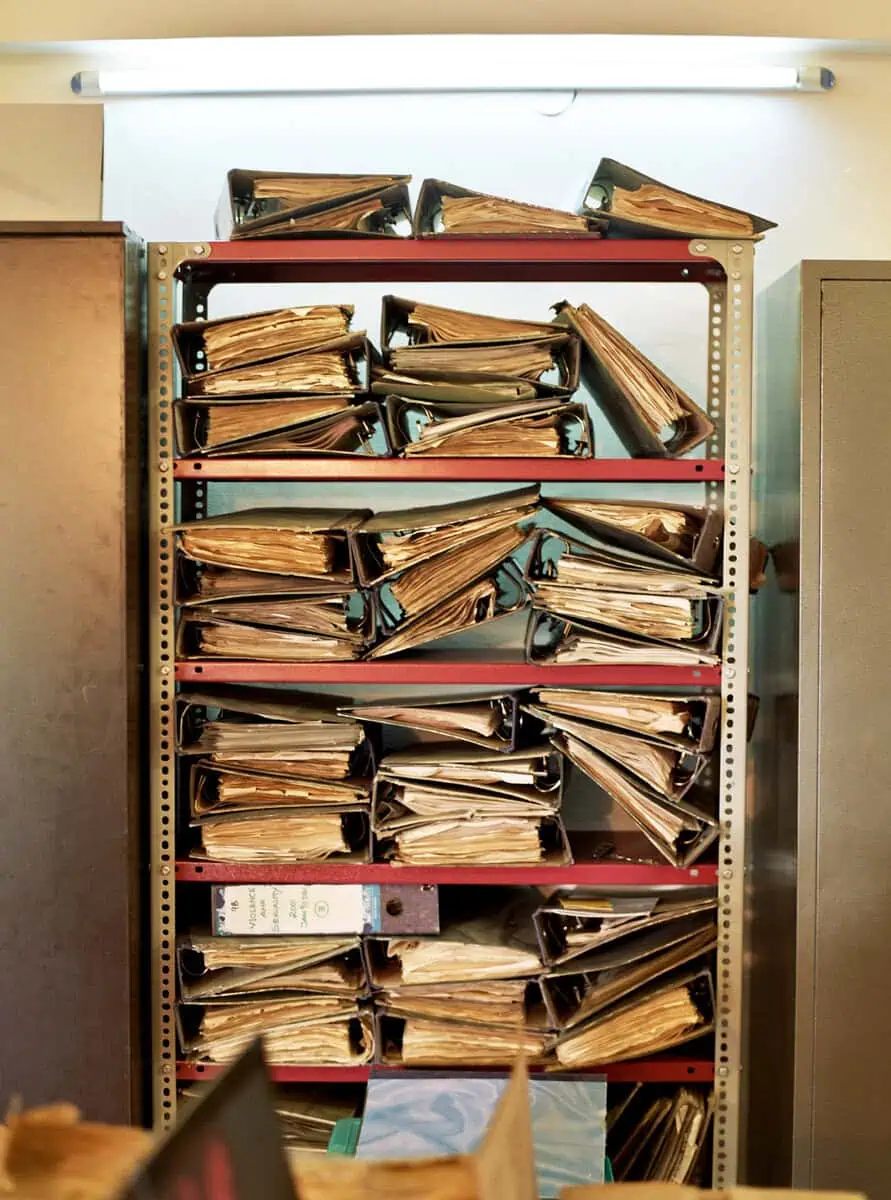
Queer Archive for Memory, Reflection, and Activism
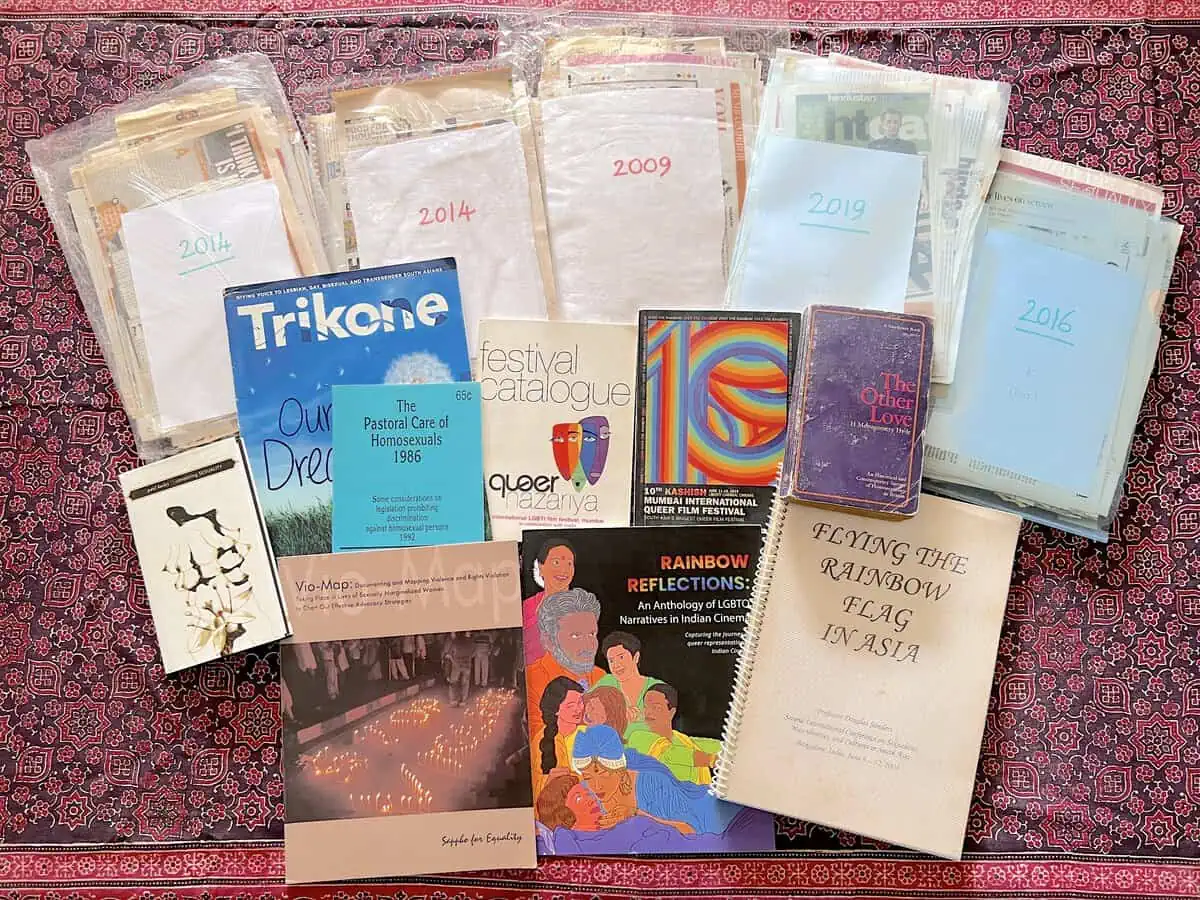
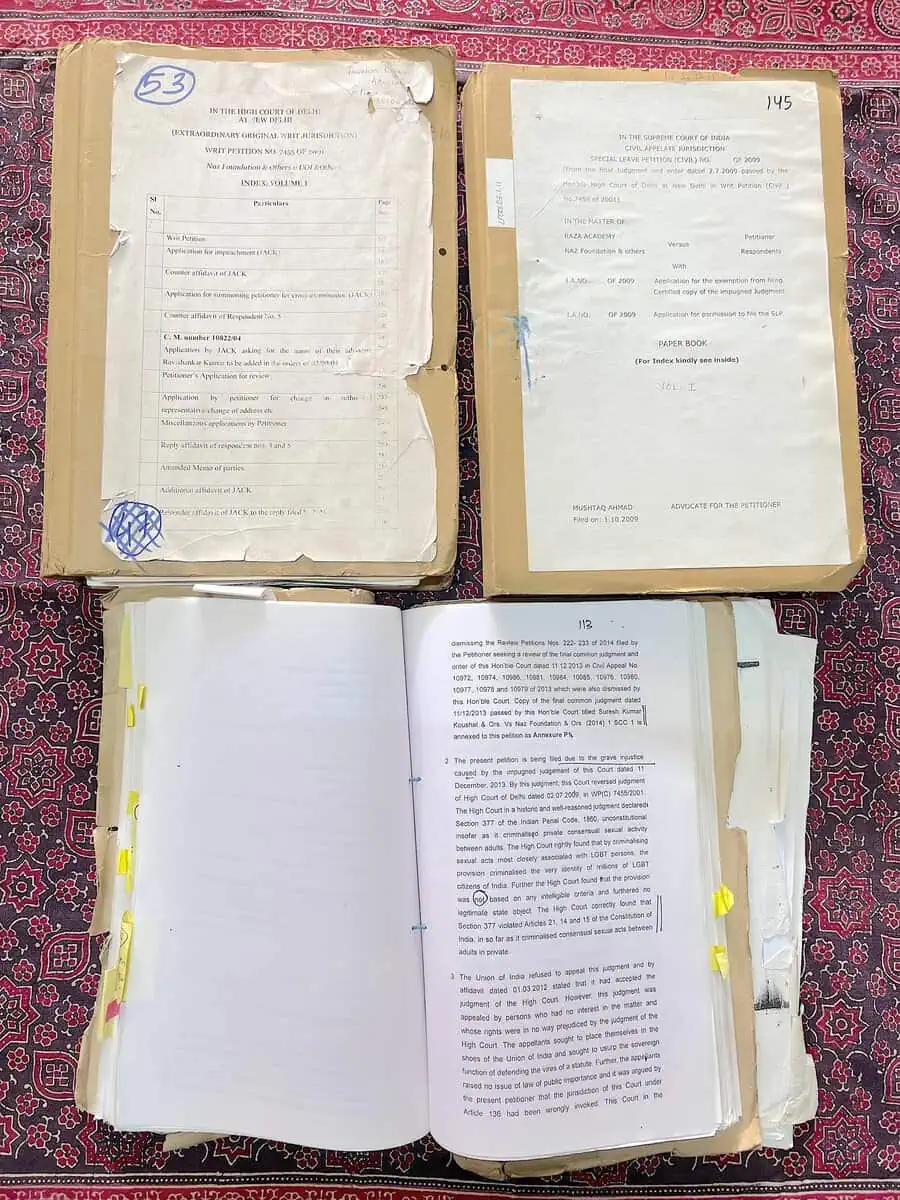
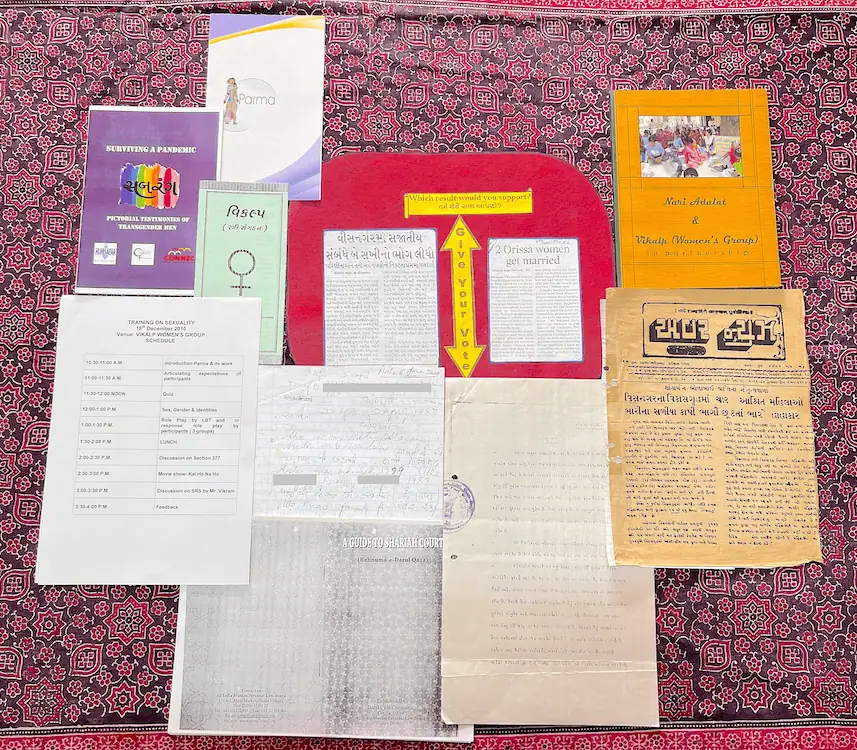
QAMRA is a multimedia archival project chronicling the genesis and growth of the struggle for the rights of sexuality & gender minorities in India.
Queer Archive for Memory, Reflection and Activism. Housed at the National Law School's Library in Bengaluru.
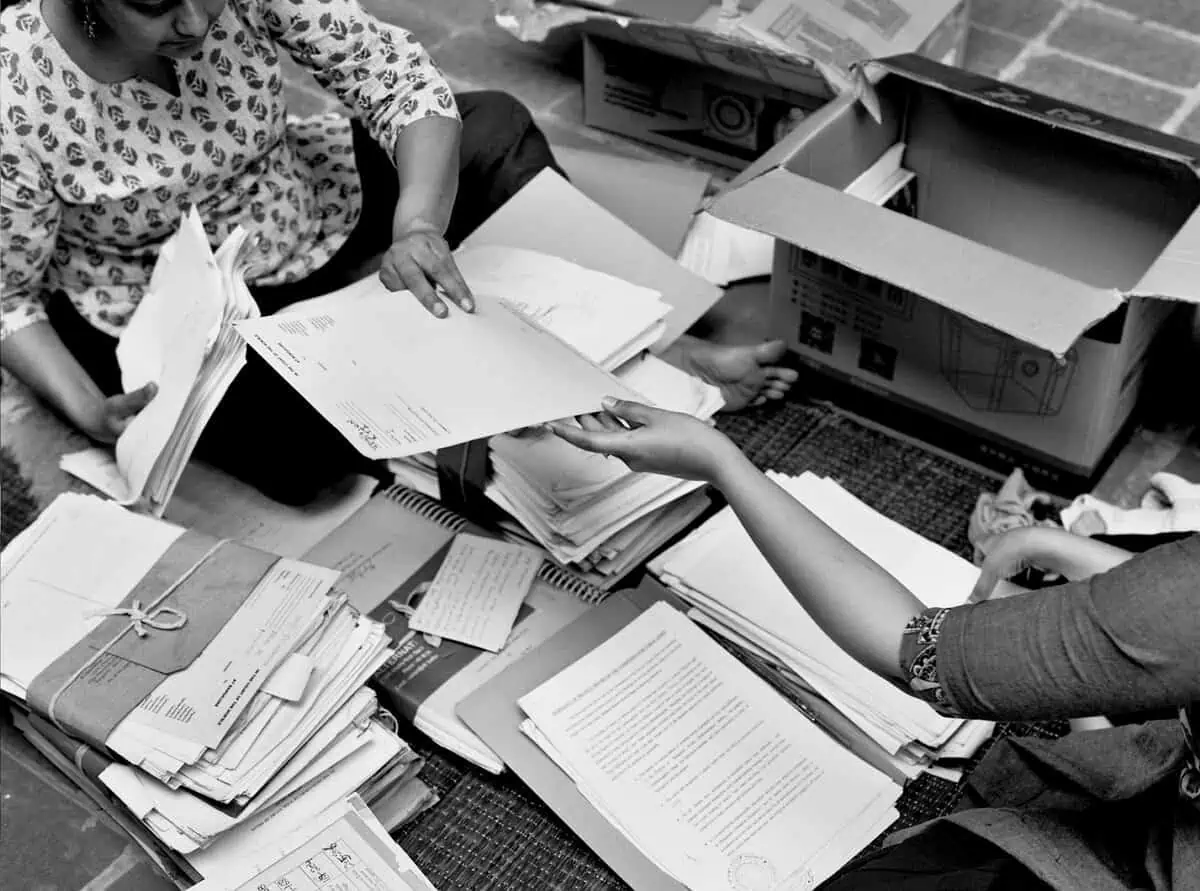
QAMRA serves as a vital repository for activists and community members to sustain and build the movement by preserving and curating individual and collective memories. Our holdings encompass legal documents, books, clippings, photographs, audio recordings, letters, memorabilia, and moving images donated by various individuals and groups.
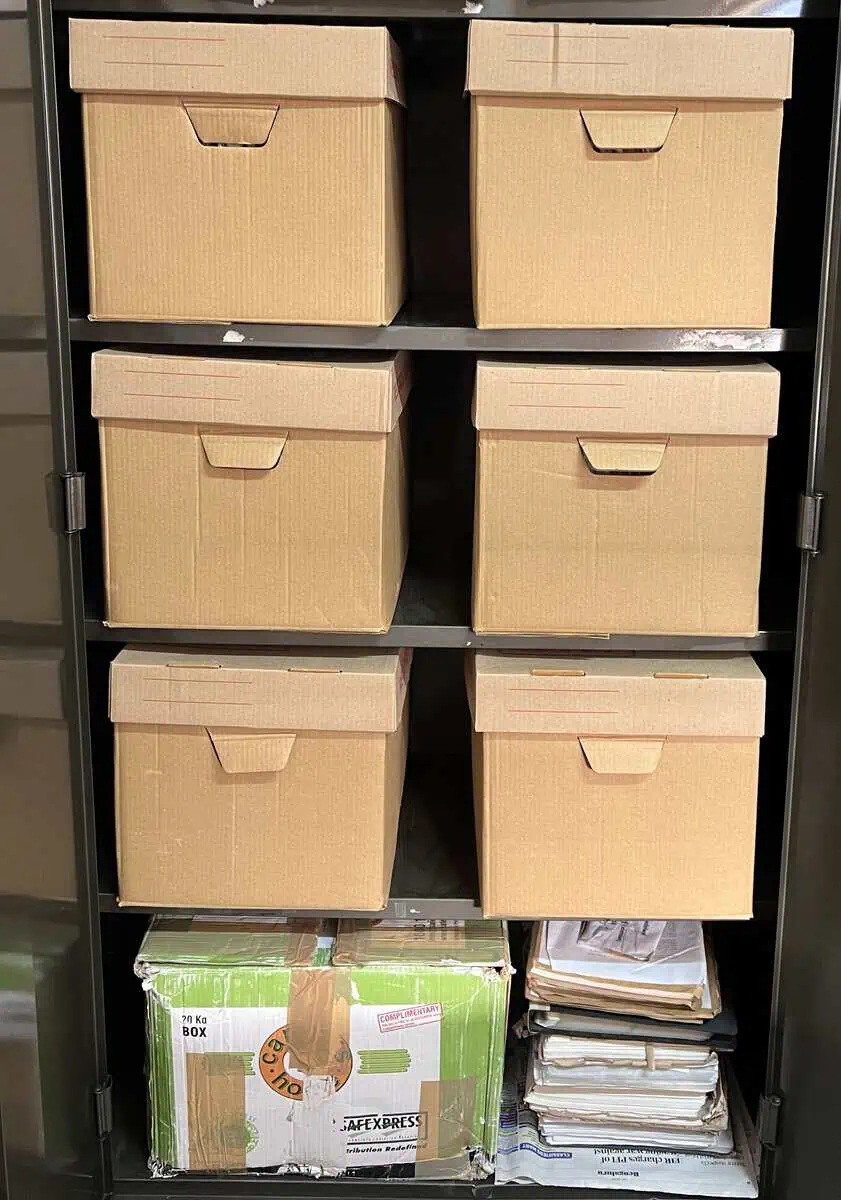
As of 2020, QAMRA operates as an independent initiative housed within the National Law School of India University library in Bengaluru, known as the QAMRA Archival project at NLSIU. While the University provides the necessary infrastructure, QAMRA is responsible for securing its own financial resources. This collaboration intends to enhance the preservation of and research conducted on our archival collections.
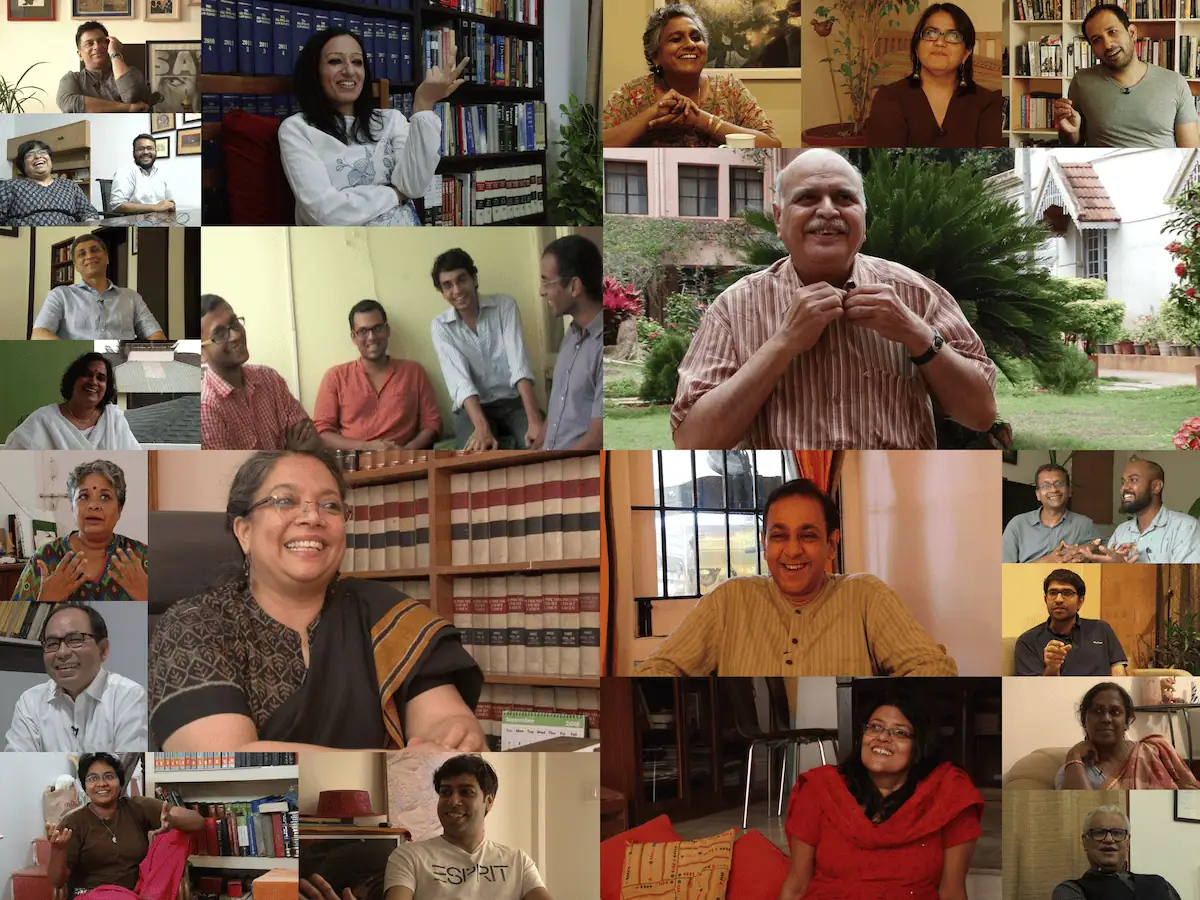
QAMRA is a living archive that aims to transform nostalgia into action. We seek to give active meaning to memories and grief, bringing them into the present. While documenting the public history of the movement, we place a significant focus on chronicling the lived realities and private lives of individuals, which often lack formal documentation.
The founding collection features a wide variety of materials - from raw footage and news clippings in multiple languages to personal artefacts. These items engage with history in unique ways, capturing more than just legal victories or narratives of violence; they record deeply personal negotiations of identity. These materials have been gathered over two decades by community members, activists, lawyers, and allies of the queer-rights dialogue.
Support the archive
Donations go towards digitisation efforts, archivists' salaries, aquiring new collections, and building up a corpus for long-term stability and the assurance of independence and free access to the archive for everyone.